Energy News Beat
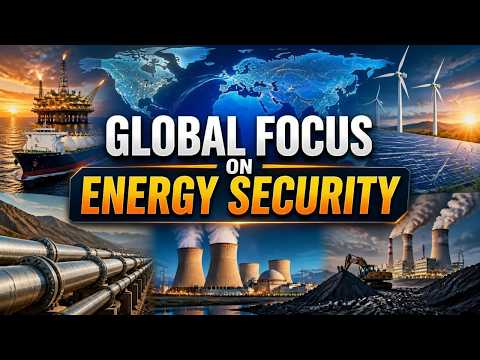
In this episode of the Energy Realities podcast, hosts Stu Turley, Dr. Tammy Nemeth, and David Blackmon tackle the most pressing energy security challenges facing the Western world today. From the UK’s crumbling electrical grid infrastructure to record-breaking diesel price spikes that threaten global supply chains, the conversation reveals a troubling pattern: energy crises are not accidents of market forces, but deliberate consequences of policy decisions made by governments across North America and Europe.
As trade tensions escalate between the US and Canada, China aggressively secures critical resources worldwide, and Western nations simultaneously deindustrialize their energy sectors through regulatory overreach, the panelists expose the disconnect between political rhetoric and economic reality. This episode is a stark warning about how interconnected energy policy, geopolitics, and national security have become—and why the decisions made today will determine whether the West maintains energy independence or slides further into vulnerability.
We have some fantastic questions from the live audience, and it is way tooooooooo much fun!
Ad-Free for our Substack Subscribers
1. UK Grid Stability & Energy Infrastructure Crisis
- Aging 1980s balancing software that recently failed, forcing engineers to use spreadsheets and phone calls to manage power stations
- Plans to replace natural gas inertia with flywheels (questioned as impractical)
- The grid’s vulnerability to renewable energy fluctuations (wind and solar)
- Risks of grid collapse similar to what occurred in Spain and Portugal
2. Offshore Wind Economics & Energy Policy
- Record-high costs (hundreds of pounds per kilowatt-hour)
- Expensive cable infrastructure (£1-3 million per kilometer)
- Reliance on natural gas backup despite renewable energy goals
- Hinckley Point nuclear plant delays making alternative baseload power unavailable
3. Diesel Crack Spreads & Global Refinery Shortage
- Diesel crack spreads hit historic highs (over $70 in Asia, over $100 in the US)
- Russia now imports oil from India and buys diesel back (creating inefficient supply chains)
- California imports from Asia, making it vulnerable to price spikes
- Diesel inflation directly impacts transportation costs and overall inflation
4. Canada-US Trade & Energy Relations
- Tariff disputes and Chinese steel/aluminum dumping concerns
- Cancelled pipelines (Energy East, Northern Gateway) limiting Canadian energy independence
- Proposed alternatives like the Sarnia pipeline project
- Threats to cut off electricity to New York (via Canadian hydro)
- Churchill Falls hydroelectric expansion negotiations
5. Alberta Independence Referendum
- October 19th vote on whether to pursue independence
- Reflects frustration with federal energy policies and pipeline cancellations
6. Policy-Driven Energy Costs
- Electricity costs 50% higher in US blue states than red states
- Gasoline costs 15% higher in blue states
- Intentional policies to increase energy costs to reduce consumption
- C40 cities implementing strict climate regulations at local levels
- Regulatory burden driving companies out (Sinclair lubricant refinery closure in Canada; California oil companies moving to Venezuela)
7. China’s Global Resource Strategy
- China’s coal reserves depleting faster than anticipated
- Potential moves to dominate Indonesia, Australia, and African resources
- Chinese influence on Western politicians and supply chains
- Belt and Road Initiative infrastructure in Africa
- Concerns about Taiwan being a “head fake” for larger resource grabs
8. US Energy Security & Grid Vulnerability
- Only 9 major interconnects in the US grid; loss of these could disable the system for 18 months
- Transformer and steel supply chain bottlenecks
- Need for domestic manufacturing reshoring
- Concerns about Chinese influence on US Congress
- What if 9 Substations were Targeted on the US Grid? Would Jon Wellinghoff’s Prediction of an 18-Month US Grid Blackout Happen?
9. Iran Sanctions & Oil Markets
- Discussion of smuggling routes through the Strait of Hormuz
- Secretary of Energy Chris Wright’s role in addressing sanctions enforcement
The overarching theme is that energy security is being undermined by policy decisions rather than market forces, with Western governments creating artificial scarcity through regulations while simultaneously becoming dependent on adversarial nations for critical resources.
This was a lot of fun, and great comments from the live audience.
Make no mistake – Net Zero equals deindustrialization and is nothing more than a wealth transfer.
HF Sinclair posts a profit and closes its only Canadian lubricant (base oil) refinery. Not because of no profits, but it is not worth doing business with Net Zero Leadership.
GE Vernova’s Gas Turbine Backlog Hits 116 GW. What Does This Mean for the AI Market?
Hedge Funds Cut Bearish Bets on European Diesel to Two-Year Low
Check out Stu Turley on The Energy News Beat Substack:

For David Blackmon

For Tammy Nemeth
The post Global Focus on Energy Security appeared first on Energy News Beat.