Energy News Beat
Chevron Corp. is set to sign non-binding memorandums of understanding (MOUs) with the Iraqi government on Friday, advancing negotiations for major investments in two of Iraq’s key oil fields while joining efforts to develop pipelines that would allow Iraqi crude exports to bypass the vulnerable Strait of Hormuz.
The move signals deepening U.S.-Iraq energy ties and positions Chevron to play a significant role in unlocking Iraq’s vast hydrocarbon resources amid geopolitical tensions threatening traditional Gulf export routes.
Oil Field Investments: Path to Operatorship and Expansion
Chevron will sign MOUs to progress commercial terms for the West Qurna-2 and Nasiriyah (Nassiriya) oil fields.
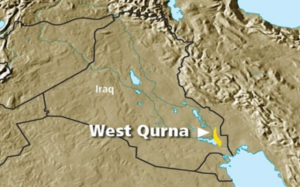
West Qurna-2 is one of the world’s largest oilfields, with recoverable reserves estimated at 13–14 billion barrels. It currently produces around 460,000–480,000 barrels per day (bpd), representing roughly 9% of Iraq’s total oil output. Iraq nationalized the field earlier in 2026 from Russia’s Lukoil due to sanctions-related issues. Chevron has been in exclusive talks since February 2026. The upcoming MOUs are expected to advance negotiations toward a potential final agreement for Chevron to assume operatorship.
Iraq’s oil minister has indicated that Chevron’s involvement could nearly double output from West Qurna-2 to 750,000–800,000 bpd.
Nasiriyah involves the development of the main field plus four exploration blocks in Dhi Qar province. Chevron and Iraqi partners signed an agreement in principle last year, and the new MOUs will further these plans.
Chevron’s involvement level: These are preliminary, non-binding accords designed to facilitate data sharing, technical evaluations, and negotiation of commercial terms. For West Qurna-2, the trajectory points toward Chevron taking operational control and deploying its expertise in large-scale field development. This is not yet a full equity stake or final contract, but it represents a major step forward from earlier non-disclosure agreements and heads of terms.
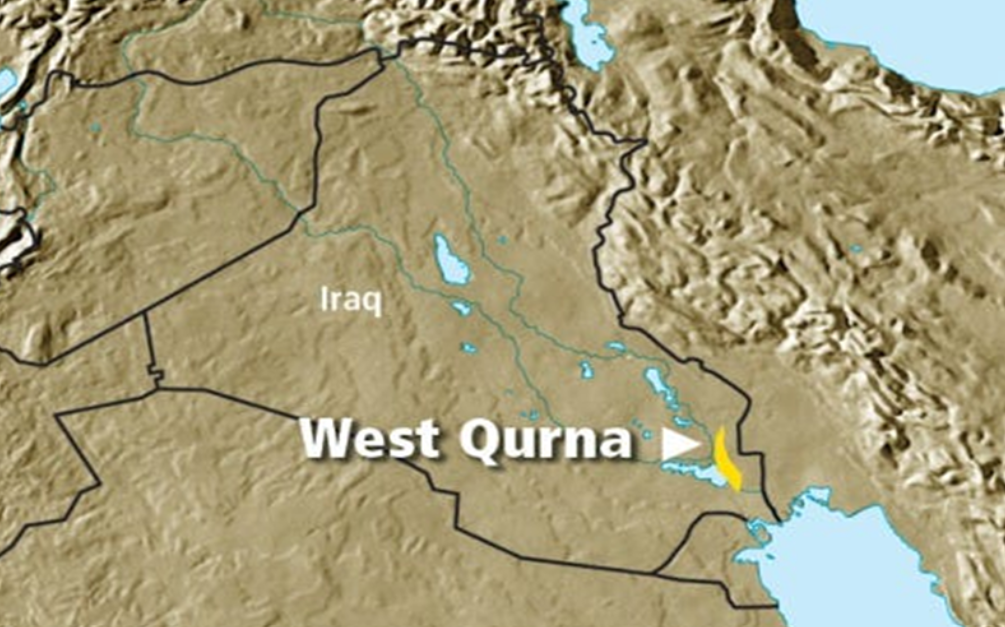
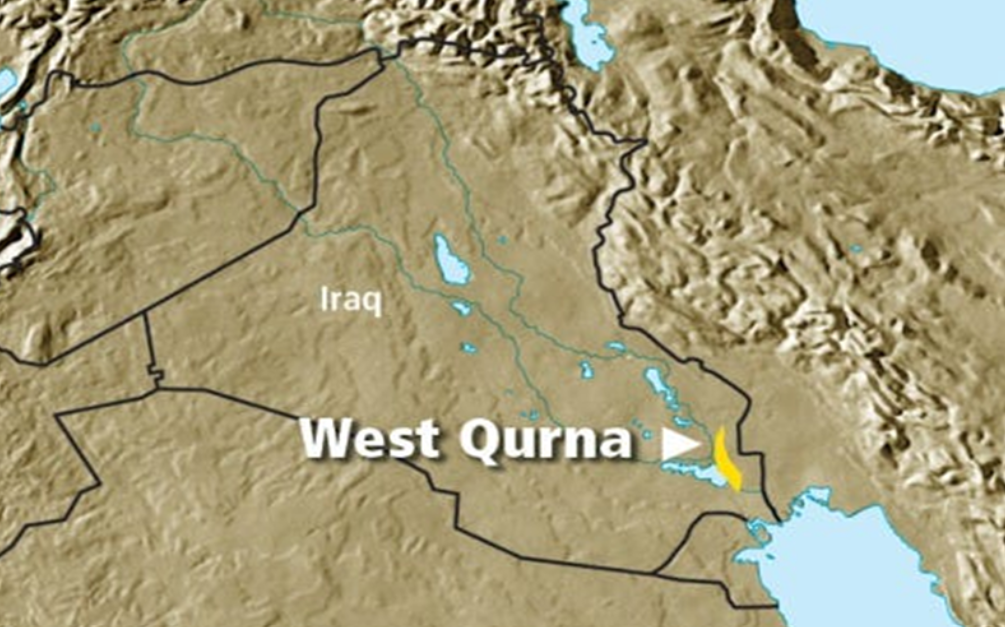
Map showing the location of the West Qurna oil field in southern Iraq.
Pipeline Plans: Bypassing the Strait of Hormuz
Chevron is also part of a consortium (alongside U.S.-based TI Capital and Qatar’s UCC) that signed a heads of agreement and non-disclosure agreement with Iraq’s state-owned Basra Oil Company (BOC) on July 4, 2026. The group will conduct technical and financial feasibility studies comparing strategic export pipeline routes.
Key routes under study include:
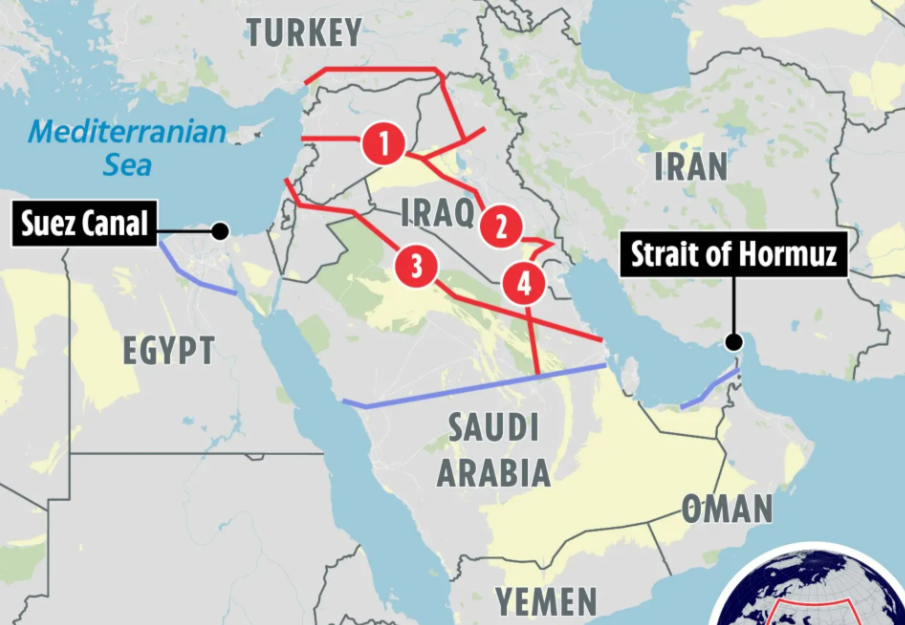
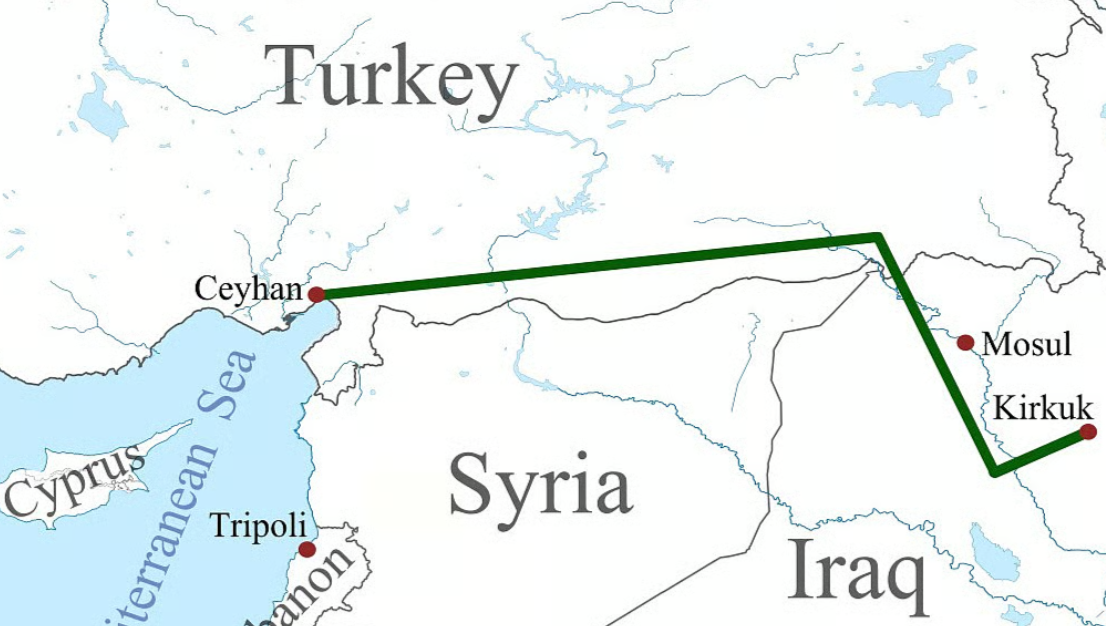
- Basra–Haditha–Kirkuk–Ceyhan (to Turkey’s Mediterranean port)
- Basra–Haditha–Baniyas (to Syria’s Mediterranean coast)
A separate consultancy contract with KBR covers the Basra–Haditha segment. Broader discussions involve reviving the long-dormant Kirkuk–Baniyas pipeline, which historically carried oil from northern Iraq to Syria’s Mediterranean coast but has been largely offline since damage during the 2003 invasion.
U.S. support is strong. Special Presidential Envoy Thomas Barrack has facilitated talks between Iraqi, Syrian, and company officials (including Chevron) on rebuilding the Kirkuk–Baniyas route. The U.S. State Department has publicly backed these efforts to reduce Iran’s leverage over global oil flows through the Strait of Hormuz.
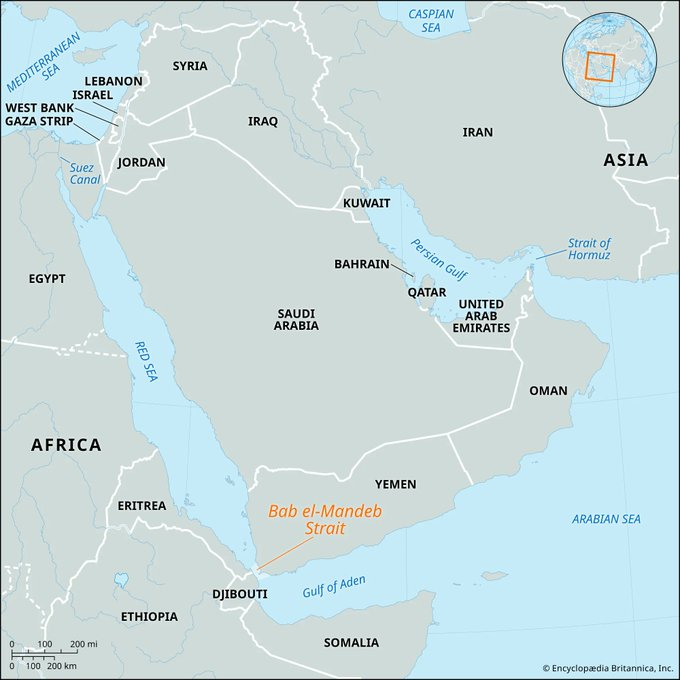
How the bypass works: Instead of shipping crude through the narrow, high-risk Strait of Hormuz (which handles the majority of Iraq’s current exports via the Persian Gulf), oil would move overland northward through Iraq and then to Mediterranean terminals in Turkey (Ceyhan) or Syria (Baniyas). From there, tankers can access global markets via the Mediterranean and Suez Canal without transiting the Hormuz chokepoint.
Overview map of Middle East oil and gas bypass routes around the Strait of Hormuz, highlighting overland options via Turkey and Syria.
Map of the existing Kirkuk–Ceyhan pipeline route to Turkey’s Mediterranean coast.
Why This Is Great for Investors
For Chevron shareholders:
Access to a super-giant field (West Qurna-2) with massive upside potential through operatorship and production growth.
Involvement in high-value infrastructure projects that could generate long-term revenue streams from transportation or equity participation.
Portfolio diversification into a resource-rich region with strong U.S. government backing.
Alignment with Iraq’s push for higher output (targeting over 6 million bpd capacity by 2029), creating scalable opportunities.
These projects offer the classic upstream combination of reserve growth and infrastructure leverage, with reduced single-point export risk.
Why This Benefits Consumers and Global Markets
For global consumers and energy markets:
Greater supply stability: Iraq is a major OPEC+ producer. Diversifying away from Hormuz reduces the risk of sudden supply shocks from regional tensions, tanker disruptions, or closures — events that have historically driven sharp oil price spikes.
Lower price volatility: More reliable Iraqi exports help balance global supply, supporting steadier crude prices and downstream fuel costs.
Enhanced energy security: Mediterranean export options benefit European and other importers with shorter, alternative shipping routes.
Increased overall supply: Successful field development and export expansion could add meaningful barrels to the market over time, helping moderate prices amid growing global demand.
In short, these developments strengthen the resilience of global oil supply chains.
Broader Context
The agreements come as Iraq’s new government (Prime Minister Ali al-Zaidi, in office since May 2026) actively courts U.S. energy partnerships. The prime minister recently visited Chevron’s Houston headquarters during a U.S. trip that included meetings with President Trump. Chevron Upstream President Clay Neff noted the company’s expertise in large projects can support Iraq’s energy development.
These steps represent a strategic win for energy diversification, U.S. influence in the region, and reduced dependence on any single chokepoint.
- Bloomberg (July 16, 2026): “Chevron to Sign Oil Investment Accords With Iraq on Friday” — https://www.bloomberg.com/news/articles/2026-07-16/chevron-to-sign-oil-investment-accords-with-iraq-on-friday
- Reuters (July 16, 2026): “Chevron to sign MOUs with Iraq for West Qurna 2 and Nassiriya oilfields” — https://www.reuters.com/business/energy/chevron-sign-mous-with-iraq-west-qurna-2-nassiriya-oilfields-2026-07-16/
- Bloomberg (July 14, 2026): “US Backs Iraq-Syria Oil Pipeline to Weaken Iran’s Hormuz Hold” — https://www.bloomberg.com/news/articles/2026-07-14/us-backs-iraq-syria-oil-pipeline-to-weaken-iran-s-hormuz-hold
- Reuters (July 5, 2026): “Iraq approves preliminary agreements to study strategic oil export pipeline projects” — https://www.reuters.com/business/energy/iraq-approves-preliminary-agreements-study-strategic-oil-export-pipeline-2026-07-05/
- WSJ (July 16, 2026): Coverage on Chevron and Hormuz bypass pipeline options
- Additional supporting reports from Oilprice.com, The National, and Upstream Online (July 2026)
All information is current as of July 16, 2026. Developments are preliminary and subject to final commercial agreements, regulatory approvals, and geopolitical conditions. This story highlights a pivotal moment for Iraqi energy development and global supply security. Stay tuned to Energy News Beat Channel for updates as the Friday signings unfold.
The post Chevron Plans to Sign Iraq Oil Accord and Seeks Hormuz Bypass with Iraq appeared first on Energy News Beat.