Energy News Beat
The global LNG market, once prized for its transparency and reliability, is rapidly adopting the opaque tactics of the shadow oil trade. As the Iran conflict—sparked by U.S. and Israeli strikes in late February—continues to throttle flows through the Strait of Hormuz, major Gulf producers like Qatar and the UAE are turning off AIS transponders and running “dark transits” to evade Iranian threats. This shift, detailed in a timely Bloomberg report republished by gCaptain today, marks a seismic change for the LNG sector, which historically operated under far stricter maritime rules than crude oil.
Qatar, the world’s second-largest LNG exporter, has seen its Ras Laffan facilities hammered by Iranian missiles in March, forcing force majeure declarations and slashing exports that once accounted for roughly 20% of global LNG trade. Tankers such as the Al Rayyan and Fuwairit have resorted to anchoring, going dark, and slipping through Hormuz in pairs or with ad-hoc protection deals (e.g., Pakistan-Iran arrangements). At least eight Gulf vessels—four Qatari and four from Adnoc—made such risky crossings in May alone. Asian buyers in India, Bangladesh, and China have scrambled to the spot market, paying double the usual Qatari cargo prices amid power shortages and blackouts in Pakistan.
Analysts warn the practice could outlast any ceasefire. “It’s natural for gulf LNG producers to try and evade Iranian attacks, and adopt shadow fleet practices in the process,” said Saul Kavonic of MST Marquee. “This could persist for as long as Iran continues to try control and threaten passage through the Strait.”
Russia Seizes the Moment: Early Northern Sea Route Openings and Sky-High Asian LNG Rates
While the Gulf chokes, Russia is moving decisively to capture premium Asian demand. In a rare early-season move, the icebreaking LNG carrier Christophe de Margerie departed the U.S.-sanctioned Arctic LNG 2 project on May 26–28, 2026, and began an eastbound transit of the Northern Sea Route (NSR) toward Asia—three weeks earlier than typical previous years.
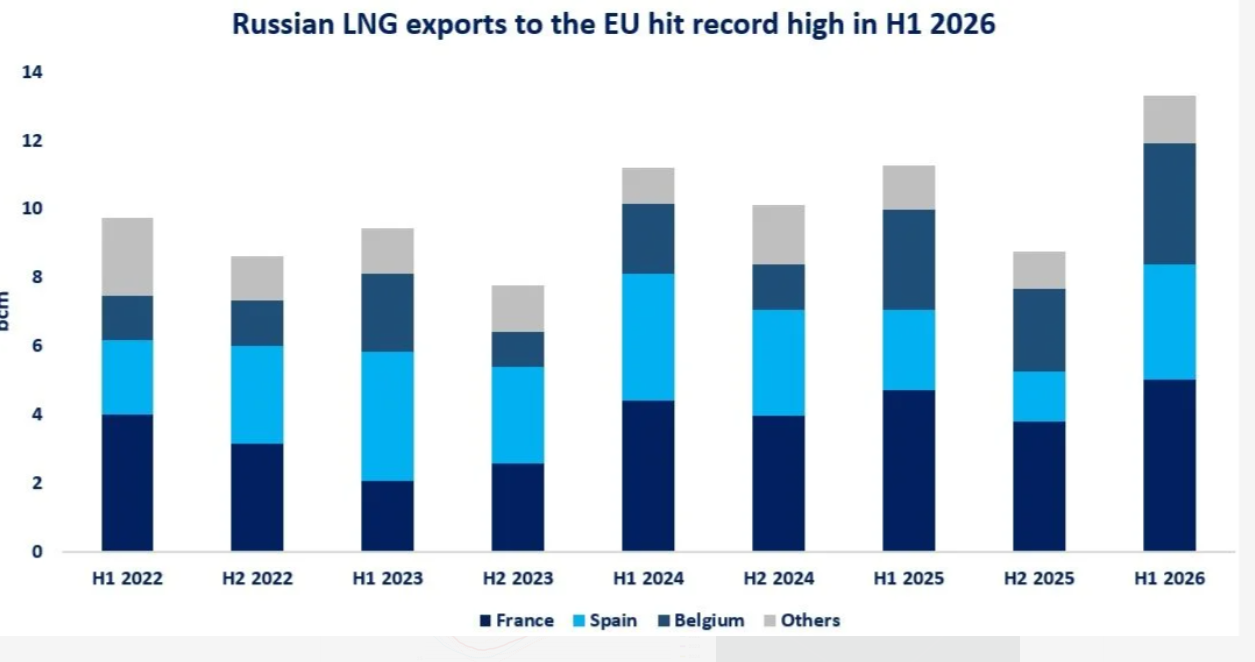
Favorable ice conditions, supported by nuclear icebreaker escorts like the Ural, have opened the NSR ahead of schedule. For Russia, already pivoting LNG exports away from Europe due to sanctions and the impending EU ban on Russian gas imports (phasing out short-term contracts by mid-2026), this is a strategic windfall. The Arctic route slashes transit times to Asia compared with the Suez Canal or Cape of Good Hope, and with JKM spot prices elevated by the Gulf disruptions, every early cargo delivers higher margins.
Novatek and Sovcomflot are clearly leveraging the crisis. The NSR, long a Russian priority for energy exports to China and beyond, is now proving its value as a chokepoint-free alternative while Hormuz remains treacherous and the Red Sea insecure. Moscow’s shadow fleet tactics—honed under Western sanctions for Arctic LNG 2 shipments to China since 2023—have ironically become the model that Qatar and Adnoc are now forced to emulate.
Europe’s LNG and Natural Gas Crisis: The Perfect Storm
Europe, still recovering from the 2022 Russian pipeline shock, finds itself blindsided once again. The Iran war has compounded an already fragile supply picture:Qatari supply collapse: Europe had grown heavily reliant on Qatari LNG as a Russian replacement. Force majeure at Ras Laffan and Hormuz blockades have diverted flexible cargoes to higher-paying Asian markets, leaving Europe in the global bidding war it is increasingly losing.
Record-low storage: As of early March 2026, EU gas storage hovered around 30% capacity—the lowest post-winter levels in years—after a harsh 2025–2026 heating season.
Price spikes: The Dutch TTF benchmark surged 50–60% in March alone, reaching €50/MWh and briefly threatening €60/MWh. Even as some prices moderated with ceasefire rumors, June levels remain elevated and volatile.
Gas-to-power generation, which hit multi-year highs in Italy, Germany, the Netherlands, and elsewhere earlier in 2026, has slowed sharply amid the price shock. Industrial demand is being curtailed, and concerns over blackouts and fertilizer costs are resurfacing. The IEA and multiple analysts have described this as Europe’s “next crisis,” with the Middle East disruption effectively removing 20% of global LNG supply at the worst possible moment.
Russia’s early NSR shipments to Asia only tighten the global LNG market further. Every cargo that bypasses Europe for higher Asian rates reduces the pool of flexible supply available to refill European terminals this summer—precisely when storage rebuild is critical.
What It All Means for Global Gas Markets
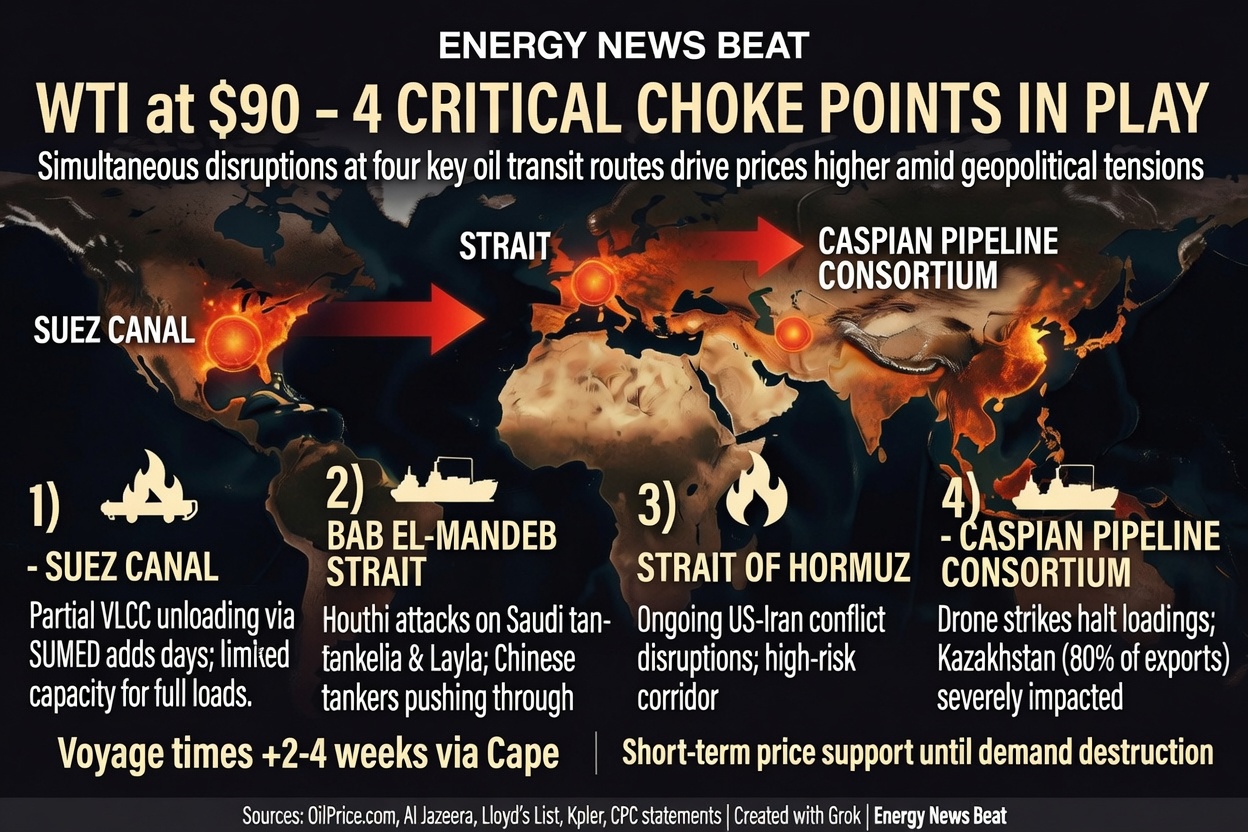
The Iran war has exposed the fragility of chokepoint-dependent energy trade. The Strait of Hormuz, through which ~20–25% of global LNG and a massive share of oil flows, is no longer a reliable artery. Shadow tactics are spreading from oil to gas, eroding transparency and raising insurance, safety, and environmental risks (dark transits increase collision and stranding dangers).
For Asia, the crisis is painful but manageable through spot purchases and Russian Arctic cargoes. For Europe, it is existential—another reminder that diversification away from Russia has simply traded one set of geopolitical risks for another. For Russia, the war in the Middle East is an unexpected gift: higher prices, earlier Arctic access, and accelerated Asian market share.
The coming weeks will be decisive. If Hormuz remains contested, expect more dark LNG transits, sustained high prices, and accelerated development of alternative routes—including year-round NSR ambitions. Global gas buyers, especially in Europe, must prepare for a more fragmented, opaque, and expensive market.
Energy News Beat will continue monitoring these developments closely.
Appendix: Sources and Links
- Bloomberg / gCaptain: “The Iran War Is Pushing the Global Gas Trade Into the Shadows” (June 2, 2026) – https://gcaptain.com/the-iran-war-is-pushing-the-global-gas-trade-into-the-shadows/
- Reuters: “Russia sends first LNG tanker this year eastward along the Arctic” (May 28, 2026) – https://www.reuters.com/business/energy/russia-sends-first-lng-tanker-this-year-eastward-along-arctic-data-shows-2026-05-28/
- gCaptain: “Russia Sends Arctic LNG 2 Cargo East Along Northern Sea Route in Rare May Voyage” (May 28, 2026) – https://gcaptain.com/russia-sends-arctic-lng-2-cargo-east-along-northern-sea-route-in-rare-may-voyage/
- DLacalle: “Europe’s Next Crisis. A Natural Gas Supply Collapse?” (March 8, 2026) – https://www.dlacalle.com/en/europes-next-crisis-a-natural-gas-supply-collapse/
- IEA: “Middle East crisis disrupts international natural gas markets” (April 24, 2026) – https://www.iea.org/news/middle-east-crisis-disrupts-international-natural-gas-markets-and-delays-global-lng-supply-wave
- Additional context from Reuters, S&P Global, and industry reports on TTF pricing and storage levels (March–June 2026).
All data and quotes are drawn directly from the cited primary sources as of June 2, 2026.
The post The Iran War Is Pushing the Global Gas Trade Into the Shadows. – Energy News Beat Analysis appeared first on Energy News Beat.