Energy News Beat
As global energy markets swing wildly on every headline from the Middle East, historian Niall Ferguson aptly dubs the latest chapter “The Endless Almost-Deal in Iran.” Since the dramatic escalation on February 28, 2026—when U.S. and Israeli strikes (part of what some reports call Operation Epic Fury) targeted Iranian leadership and facilities, reportedly killing Supreme Leader Ali Khamenei and sparking widespread retaliation—diplomacy has been a geopolitical roller-coaster of near-misses, fragile ceasefires, and renewed threats.
On May 28, U.S. and Iranian negotiators reached a tentative agreement to extend the ceasefire by 60 days and launch fresh nuclear talks. It remains pending President Trump’s sign-off on the memorandum of understanding (MOU). Vice President JD Vance noted uncertainty on timing and details, while Treasury Secretary Scott Bessent stressed non-negotiables: reopening the Strait of Hormuz, disposing of Iran’s highly enriched uranium stockpile, and a firm pledge against nuclear weapons. New U.S. sanctions on Iranian oil middlemen (e.g., Sepehr Energy Jahan) hit even as talks advanced.
This isn’t new. It echoes decades of JCPOA-style brinkmanship, 2025 rounds in Oman and Rome (breaking down over enrichment rights), the June 2025 “Twelve-Day War,” and repeated 2026 halts. Ferguson highlights the whiplash: obliteration threats one week, draft MOUs (temporary ceasefire, Hormuz reopening, sanctions relief, nuclear limits) the next. Trump’s approach—airpower, sanctions, proxy pressure, no full ground commitment—avoids endless U.S. entanglement but keeps energy flows hostage.
Iraq: The Dangerous Spillover Front
The Iran conflict has spilled heavily into Iraq, where U.S.-Israeli strikes on Iran-backed Shia militias (Islamic Resistance in Iraq/IRI and Popular Mobilization Forces/PMF factions like Kata’ib Hezbollah, Badr Organization) have been near-constant since February 28. Targets include bases in Anbar, Kirkuk, Nineveh, Saladin, and Basra—headquarters, checkpoints, commanders’ homes, and joint Iraqi-PMF sites. Casualties: dozens of PMF fighters and commanders killed, plus Iraqi soldiers and police (e.g., March 28 Kirkuk airport strike killed 3 PMF + 2 police; March 24 Anbar base strike killed Gen. Saad Dawai and others). Militias retaliated with drones, rockets on U.S. bases/embassy in Baghdad (missile on helipad, thick smoke reported), and threats. Iran has fired into Iraqi Kurdistan; low-level activity persists into May (Israeli outpost reports, desert sweeps, ongoing proxy pressure).
Iraq’s government condemns violations of sovereignty while supporting PMF; borders closed, envoys summoned. Energy tie-in: Risks to Iraqi oil infrastructure, export stability, and revenue (U.S. pressure on funds). Militia control near fields adds premium to regional risk. Recent incidents include fires after strikes on sites and tanker concerns near Basra.
Energy Markets: Volatility as the Only Constant
The “endless deal” cycle has hammered energy security:
Strait of Hormuz (≈20% global oil, major LNG route): Partial closures, mining threats, tanker attacks, and Iranian control flex (deals with Iraq/Pakistan for safe passage) caused massive disruptions. Oil spiked >$100–120 Brent early on; recent swings ($87–99 range) reflect deal hopes vs. violations (e.g., U.S. strikes on Iranian boats May 25–26 triggered retaliatory missile/drone activity).
Infrastructure hits: Strikes on South Pars gas field (70% of Iran’s gas), possible Ras Laffan ties, Gulf shipping slowdowns.
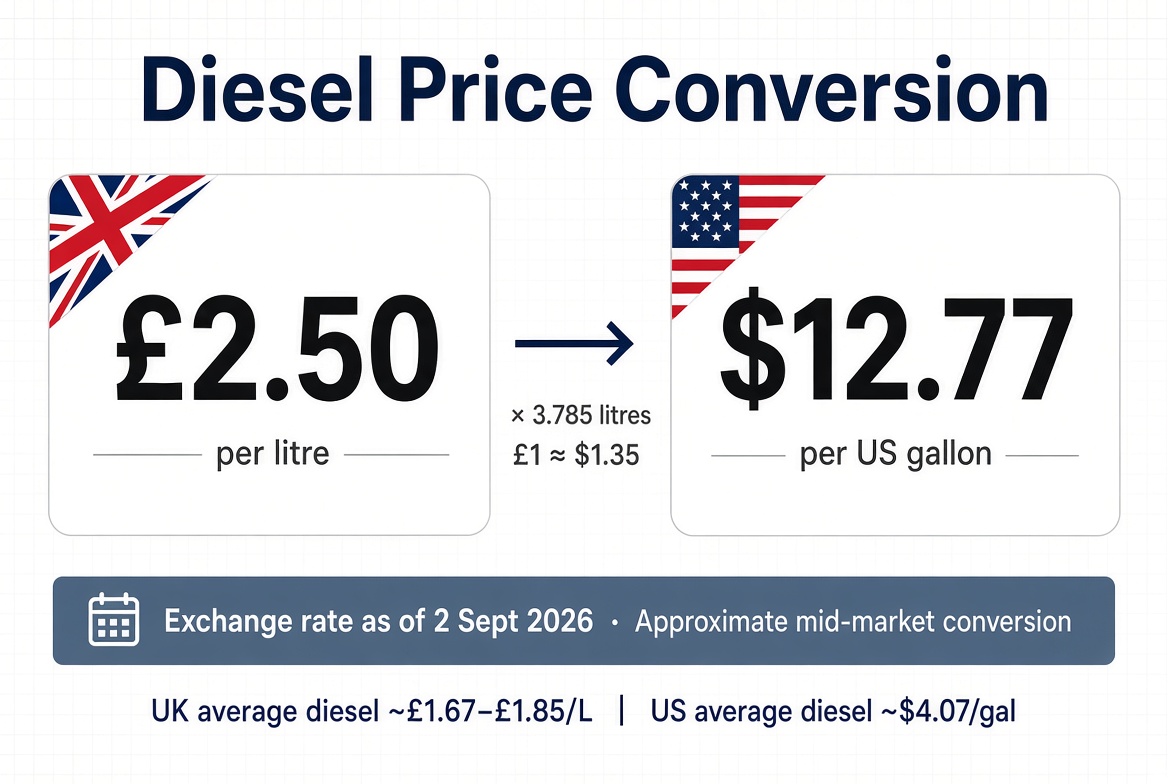
Broader effects: Fuel price rises, inflation pass-through, LNG rerouting benefits for U.S. exporters, but uncertainty deters investment. Bessent predicts sharp oil drop on full Hormuz reopening + UAE OPEC exit; analysts warn of “rockets and feathers” pricing (quick up, slow down). Markets bet on swift end but risk disappointment.
For energy pros: Prolonged limbo means sustained risk premiums, hedging needs, and diversification pushes (U.S. shale/LNG winners short-term; Europe/Asia exposed).
Why “Endless”? And What’s Next?
Sticking points remain: Iran’s enrichment rights/stockpile (hundreds of kg at 60%+), verification, proxy disarmament (key for Iraq stability), and sanctions relief scale. Distrust runs deep; Israel pushes harder lines; Gulf states eye Abraham Accords expansion. A “great” deal (Trump’s term) could flood markets with Iranian barrels and stabilize—but history suggests another “almost.”Outlook for Energy Beat readers: Monitor Trump’s decision and any Hormuz movement. A signed extension could ease prices fast; fresh violations or Iraq escalation keep volatility high. Investors: Watch U.S. exports, tanker tracking, and proxy flashpoints. Long-term, true resolution requires breaking the cycle—not just another tentative MOU.
The deal feels endless because the underlying power struggle (nuclear ambitions, regional hegemony, proxies) persists. For global energy, that means pricing in uncertainty until real breakthroughs land.
- Niall Ferguson, “The Endless Almost-Deal in Iran” (The Free Press): https://www.thefp.com/p/niall-ferguson-iran-war-analysis?hide_intro_popup=true
- Wikipedia: 2026 United States–Israeli strikes on Iraq: https://en.wikipedia.org/wiki/2026_United_States–Israeli_strikes_on_Iraq
- Wikipedia: 2025–2026 Iran–United States negotiations: https://en.wikipedia.org/wiki/2025–2026_Iran–United_States_negotiations
- US News (May 28, 2026 tentative deal): https://www.usnews.com/news/us/articles/2026-05-28/the-latest-us-forces-carry-out-new-defensive-strikes-on-iran
- Al Jazeera & Reuters on Iraq/energy deals: Various live updates and May 12 Iraq-Pakistan deals.
- CNBC, Reuters, Bloomberg on oil prices/Hormuz (May 2026).
- Additional context: Britannica on negotiations/war phases; Energy Intel, Atlantic Council, Brookings on impacts. All accessed/crawled May 29, 2026 via public web sources.
Stay tuned to Energy News Beat for real-time market updates as this saga continues. What does this mean for your portfolio or operations? Drop comments below.
The post The Endless Deal in Iran: Roller-Coaster Diplomacy, Iraq Spillover, and Oil Market Whiplash appeared first on Energy News Beat.