Energy News Beat
Texas is facing explosive electricity demand growth from the Permian Basin’s oil and gas operations, data centers, manufacturing, and electrification. In response, ERCOT and the Public Utility Commission of Texas (PUC) have fast-tracked the 765-kV Strategic Transmission Expansion Plan (STEP)—including the Permian Basin Reliability Plan (PBRP)—a massive build-out of high-voltage transmission lines designed to import power into high-growth areas like the Permian.
But according to a new in-depth economic assessment by Brent Bennett, Ph.D., of the Texas Public Policy Foundation, this plan is not the reliability necessity it’s being sold as. It’s a policy choice driven by the desire of large industrial consumers to chase wind and solar tax credits and corporate emissions goals. And it comes with a staggering price tag: roughly $33 billion in capital costs and nearly $100 billion in lifetime costs to ratepayers.
Bennett’s analysis, partnered with Energy Ventures Analysis (EVA), uses rigorous techno-economic modeling to show that the 765-kV lines deliver almost zero measurable benefit on energy prices or long-term grid reliability while locking in massive costs and irreversible impacts on landowners. Brent has been on the Energy News Beat podcast with Stu Turley, and we are reaching out to have him cover this latest report.
The Core Findings: Transmission Is No Substitute for GenerationBennett is blunt: “Transmission lines do not create power and cannot solve that problem.”
EVA’s modeling across mid- and high-demand scenarios projects ERCOT’s installed capacity doubling to 340–350 GW by 2038. The 765-kV STEP reduces new generation needs by only about 3% (roughly 10 GW total, with just 2 GW less gas in West Texas) and has no material impact on cumulative capital spending or system-wide energy costs through 2038.
In fact, eliminating the lines and building 4–5 GW of new gas generation near load centers in West Texas (plus modest shifts in generation across ERCOT regions) produces nearly identical price outcomes for consumers. Annual energy cost differences are within model error bounds—about $2 billion in one scenario—but sensitive to assumptions and ultimately negligible.
Bennett emphasizes: “The 765-kV lines do not materially change the economic profile of the ERCOT market, and that the lines can be avoided without a significant impact on prices or reliability for consumers.”
The plan’s rationale traces back to aggressive demand forecasts from oil and gas producers and data center developers who want cheap renewable power delivered across the state. Yet ERCOT’s own latest forecasts show far lower oil-and-gas-driven demand growth than the numbers used to justify the lines. Behind-the-meter generation and market adjustments could further reduce the need for these long-haul imports.
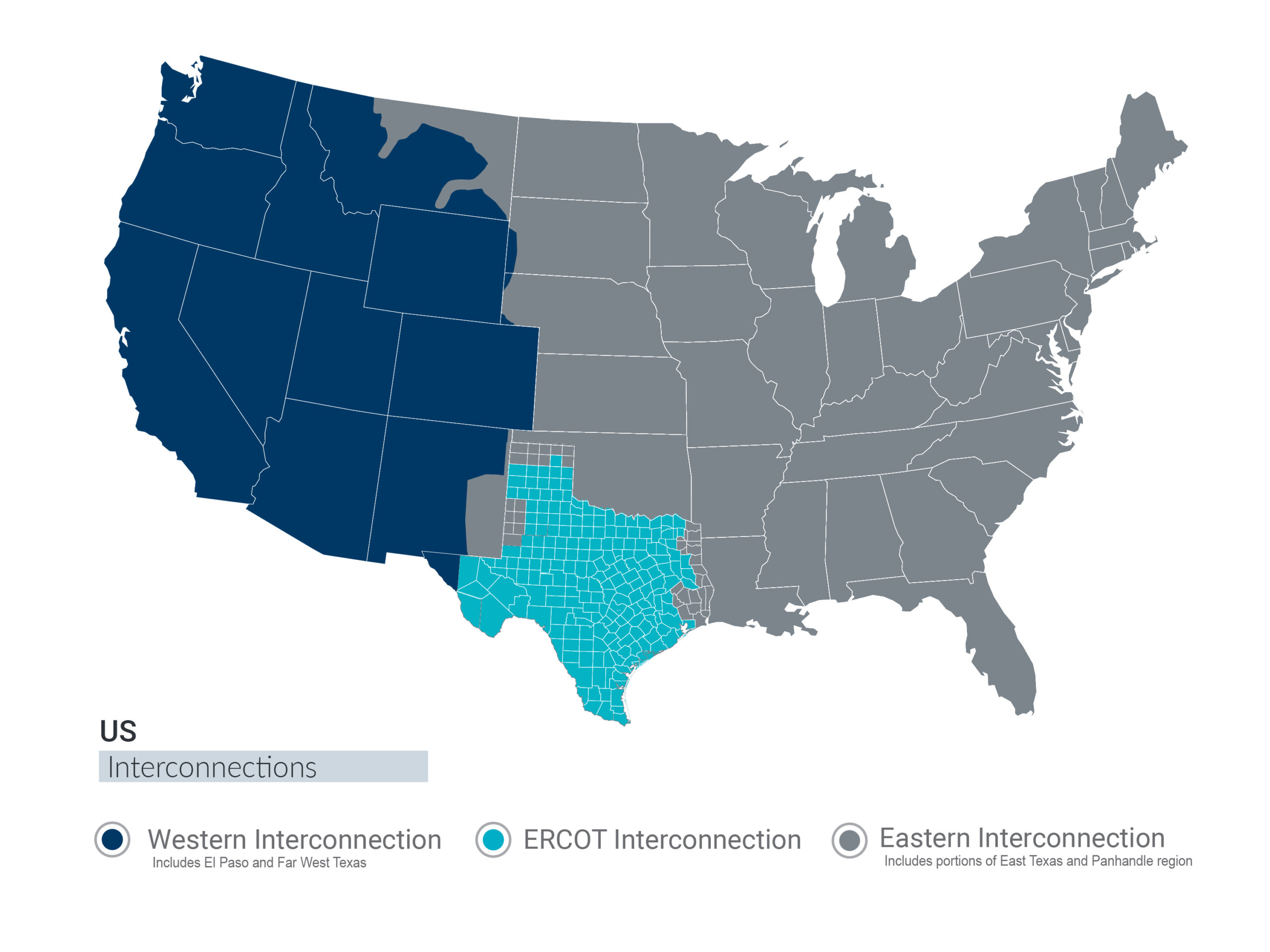
A Generation-First Framework: The Smarter Path ForwardBennett lays out a clear alternative approach to enable cost-effective growth:Prioritize reliable, dispatchable generation near load centers (especially gas-fired capacity in the Permian and other high-demand zones).
Strengthen market incentives for dispatchable resources so they are properly valued for reliability.
Use targeted tools for large new loads like data centers—such as requiring curtailment during peak stress or co-locating generation.
Reserve the Texas Energy Fund and other taxpayer resources for genuine reliability needs rather than subsidizing transmission that primarily benefits intermittent renewables.
He argues this “generation-first” strategy aligns far better with the intent of HB 5066 (2023) than the current transmission-heavy path. Unlike the legislatively mandated CREZ lines of 2005 ($6.9 billion for 3,600 miles of 345-kV), the 765-kV STEP bypassed direct legislative approval despite being five times more expensive on a comparable scale.
How ERCOT Can Use This Analysis to Save Consumers Money, Taxpayer Resources, and Build a More Resilient Grid
ERCOT and the PUC have the immediate authority to halt Certificates of Convenience and Necessity (CCN) applications for the remaining 765-kV projects. Bennett recommends pausing implementation now and letting the Texas Legislature fully review the plan in the 2027 session.
Consumer savings: Avoiding the $33 billion capital outlay (and $100 billion lifetime costs including financing, returns, maintenance, and taxes) directly lowers transmission charges passed through to ratepayers. With negligible price impact from skipping the lines, Texas families and businesses keep billions in their pockets.
Taxpayer resources: Redirecting funds away from unnecessary transmission frees up state incentives (like the Texas Energy Fund) for true grid resilience—such as targeted support for dispatchable generation—rather than bailing out future reliability shortfalls.Better service and a more resilient grid: Gas plants provide instant ramping, inertia, and fuel security that long-haul transmission of distant wind and solar cannot match, especially during extreme weather or supply-chain disruptions.
Locating generation closer to demand reduces congestion, improves voltage stability, and shortens interconnection queues.
The grid becomes more robust against the intermittency that currently threatens reliability as renewables dominate new capacity additions.
In short, ERCOT gets a cheaper, faster, and tougher grid by focusing on power plants first, not miles of steel and wire.
Can Other States Emulate This Approach?
Absolutely. Many states—California, those in PJM, MISO, and the Southeast—are grappling with the same explosive demand from AI data centers, electrification, and manufacturing. Most rely on centralized transmission planning that favors renewable export corridors over local reliable generation. Bennett’s analysis offers a proven, data-driven template any state or ISO/RTO can follow:Run independent, transparent economic modeling of transmission vs. generation alternatives (exactly what EVA did here).
Require legislative oversight for billion-dollar transmission megaprojects instead of letting unelected commissions approve them.
Shift planning to a generation-first, market-driven model that values reliability and locates resources where they are actually needed.
Protect ratepayers and landowners by subjecting “critical reliability” projects to the same cost-benefit scrutiny as everything else.
States that adopt this approach will avoid the trillion-dollar transmission spending spree now sweeping the nation while delivering lower costs, higher reliability, and genuine energy security.Time for ActionBrent Bennett’s report is a wake-up call. The 765-kV STEP is not inevitable—it’s a choice. Texas has the opportunity right now to choose a smarter, cheaper, more resilient path that puts consumers, taxpayers, and reliable power first.As Bennett concludes: “A generation-first framework… would better align with the goals of the Legislature and achieve better outcomes for all Texans.”
Energy News Beat will continue tracking this story as the PUC, ERCOT, and the Legislature decide whether to pause the lines and pursue the cost-effective alternative.
Appendix: Sources and Links
- Bennett, Brent, Ph.D. “An Economic Assessment of the 765-kV Strategic Transmission Expansion Plan And Alternative Approaches to Enable Cost-Effective Growth.” Texas Public Policy Foundation, May 2026. Full research paper (PDF): https://www.texaspolicy.com/wp-content/uploads/2026/06/2026-05-LP-Strategic-Transmission-Expansion-Plan-Bennett-combined.pdf
texaspolicy.com
- Texas Public Policy Foundation. “An Economic Assessment of the 765-kV Strategic Transmission Expansion Plan.” June 2, 2026. Article page: https://www.texaspolicy.com/an-economic-assessment-of-the-765-kv-strategic-transmission-expansion-plan/
All data, quotes, cost figures, and modeling results in this article are drawn directly from the above sources.
The post An Economic Assessment of the 765-kV Strategic Transmission Expansion Plan Brent Bennett, Ph.D. talks about An Alternative Approach to Enable Cost-Effective Growth appeared first on Energy News Beat.