Energy News Beat
Yemen’s Iran-aligned Houthis claimed a drone strike on Saudi Aramco’s Jazan (also spelled Jizan) refinery on Sunday, August 9, 2026, just two days after the kingdom signed a major trilateral defense pact. Saudi Arabia’s Energy Ministry reported a fire at a facility within the complex that was extinguished with no injuries. This marks the latest in a series of attacks that broke a years-long informal truce and targeted Saudi energy infrastructure, shipping, and border areas amid the broader regional conflict involving the US, Israel, and Iran.
The Houthis have declared a naval blockade on Saudi shipping in the Red Sea (framed as “siege for a siege”) and claimed strikes on tankers, ports, airports, and oil facilities. Saudi Arabia is evaluating military options, conducting limited responses, and strengthening alliances while pursuing diplomacy. The question for energy markets is how much damage has been done, how exports and refining are affected, and what further escalation could mean.
Bomb Damage Assessment of Houthi Attacks
The most significant confirmed damage centers on the Jazan refinery, a 400,000-barrel-per-day (bpd) facility on the Red Sea near the Yemen border that produces gasoline, ultra-low-sulfur diesel, and other products.
On or around July 25–26, 2026, Houthis claimed missile and drone strikes on Aramco sites in Jazan and Yanbu. Satellite imagery (including from Sentinel-2) showed smoke plumes and a tank fire at Jazan. Consultancy notes (IIR, as reported by Reuters and others) indicated damage to the Integrated Gasification Combined Cycle (IGCC) complex—which provides power, steam, and hydrogen—and the tank farm area. Aramco shut the refinery on July 27 for repairs, with operations expected to resume around mid-August (initially targeted for about August 15). Some reports described the processing units as largely intact, with the fire contained, but the shutdown was precautionary and necessary.
The August 9 incident involved a claimed drone strike. A fire broke out at dawn and was extinguished by Aramco industrial security teams; authorities handled the aftermath with no reported injuries or detailed cause given by Riyadh (the Houthis claimed a precise hit). Because the plant was already offline for repairs from the prior attack, incremental impact appears limited based on available information.
Other incidents include:
- Claims of strikes on Yanbu oil installations (some intercepted, including by Patriot systems).
- Reports of damage or strikes affecting Abqaiq (stabilization trains and related equipment noted in some assessments), though Aramco has downplayed overall operational effects.
- Attacks on Saudi-linked tankers in the Red Sea and Gulf of Aden.
- Strikes on southern Saudi sites (e.g., Najran Airport and border areas), injuring civilians in some cases, and cross-border actions.
Houthi claims often assert extensive destruction of military and energy targets; independent verification is limited, and Saudi statements emphasize interceptions, contained fires, and rapid response. Satellite evidence has confirmed smoke and localized fires at energy sites but not wholesale destruction of major processing capacity.
Saudi Response and Moves Toward Retaliation
Saudi Arabia has conducted limited airstrikes on Houthi positions (including in Hodeidah and other areas) in late July in response to tanker and infrastructure attacks—the first major coalition actions in years. It has formed or expanded a maritime coalition to protect Red Sea shipping and is evaluating further military options, including support for Yemeni government forces that could involve ground elements. Reports indicate force buildups and readiness increases on Yemeni fronts.
Diplomacy continues via Omani channels in an effort to contain escalation, while Riyadh has publicly reaffirmed its right to self-defense and welcomed UN Security Council condemnations of Houthi attacks on the kingdom and commercial vessels. Senior officials have warned of potential coordinated attacks involving Houthis and Iraqi militias under IRGC supervision targeting energy infrastructure, ports, and airports. The kingdom appears to be preparing contingencies while trying to avoid a full-scale return to the Yemen quagmire.
The New Defense Agreement and Pakistan’s Role
On August 7, 2026, in Mecca, Saudi Crown Prince Mohammed bin Salman, Turkish President Recep Tayyip Erdoğan, and Pakistani Prime Minister Shehbaz Sharif signed the Makkah (Mecca) Joint Defense Agreement. The pact establishes collective defense: an armed attack against any one of the three states is to be regarded as an attack against all. It aims to strengthen collective deterrence and enhance defense cooperation across areas including industry and operations.
This builds directly on the earlier bilateral Strategic Mutual Defense Agreement between Saudi Arabia and Pakistan (signed in 2025). Pakistan, as the only nuclear-armed Muslim-majority state, adds significant deterrent weight. Turkey brings NATO-member capabilities and defense-industry experience. Officials have described the agreement as defensive, not directed at any specific country, and open in principle to others. It comes amid perceptions of shifting great-power reliability and heightened regional threats from Iran-aligned groups. Pakistan’s involvement signals deeper strategic alignment that could influence calculations around any Saudi retaliation or further Houthi/Iran-linked escalation.
Impact on Saudi Oil Exports and Refinery Capacity
Refinery capacity offline: The primary confirmed outage is Jazan’s full 400,000 bpd capacity, offline since late July and expected to remain so into mid-August for repairs to the IGCC and tank farm. This removes a meaningful volume of regional refined-product output (notably diesel and gasoline) at a time of already tight product markets. No large-scale permanent loss of crude processing capacity has been confirmed beyond this temporary shutdown.
Oil exports: The Houthi Red Sea blockade and attacks on Saudi-linked shipping have significantly degraded flows through Bab el-Mandeb. Pre-escalation weekly averages of Saudi crude transiting south from west-coast loadings (primarily Yanbu) were around 3–3.2 million bpd in some periods; post-attack confirmed volumes dropped roughly by half to about 1.5 million bpd in early assessments, though the corridor has not fully closed. Saudi Arabia has rerouted volumes northward via the Suez Canal (adding substantial transit time and cost for Asian destinations) and continues using the East-West Pipeline and other options developed during Hormuz disruptions.
Aramco CEO Amin Nasser has stated that recent attacks caused some production interruptions but had “no material operational or financial impact.” He expressed confidence in rapid restoration (operations restorable far faster than industry averages) and noted that production, exports, and domestic fuel supplies remained intact, with no draw on strategic reserves. The company has emphasized its ability to maintain continuity via diverse infrastructure.
Overall crude export volumes have faced friction and higher costs/risks rather than a complete halt. Product markets feel the Jazan outage more directly.
What Analysts Are Saying
Analysts highlight elevated risk premiums and potential for tighter refined-product balances more than an immediate collapse in crude availability. The Jazan shutdown compounds diesel and fuel constraints. Red Sea threats force longer, costlier voyages (Suez or around Africa), raising freight and insurance costs and delaying deliveries to Asia.
Market reactions have included price spikes on attack news (Brent previously testing or exceeding $100 levels during earlier escalations), followed by volatility. Views differ on severity: some stress that workarounds exist and physical damage has so far been containable, limiting sustained supply loss; others warn that further successful hits on Yanbu, pipelines, or processing hubs (or a tighter blockade) could force deeper Saudi production cuts and push prices significantly higher, especially with Hormuz already constrained. Escalation involving coordinated proxy attacks raises the prospect of broader infrastructure risk.
Aramco’s official line—that impacts remain non-material and recovery is swift—provides a baseline of resilience, but the combination of temporary refining outages, shipping friction, and geopolitical signaling keeps markets on edge.
In short, the latest attacks have taken a 400,000 bpd refinery offline temporarily, halved certain Red Sea crude transit volumes, and raised costs and risks without (yet) causing a catastrophic loss of Saudi export capacity, according to company statements. Saudi Arabia is responding with limited force, diplomacy, force readiness, and new alliances that include Pakistan under a collective-defense framework. For oil markets, this means continued volatility, product-market tightness, and sensitivity to any further successful strikes or expansion of the conflict. The situation remains fluid.
We will be providing an Energy News Beat Standup later in the day to get more information.
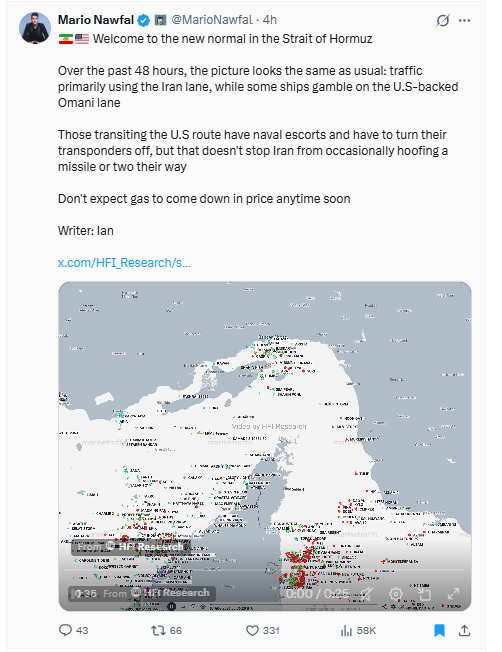
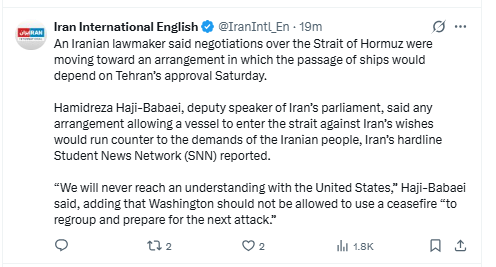
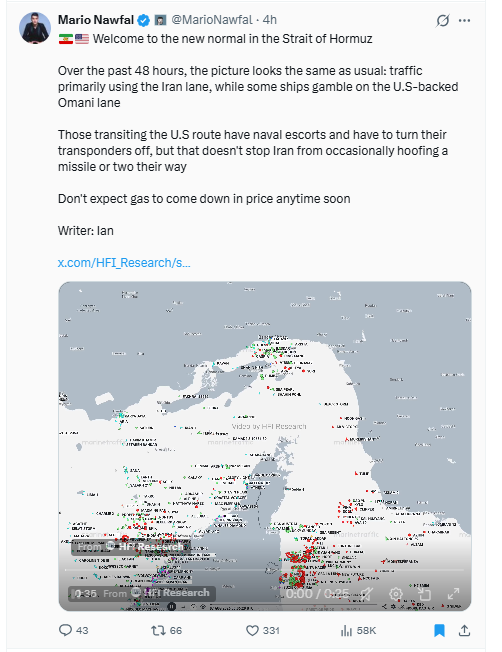
On the Hormuz situation – Not good.
- Yemen’s Houthis attack Saudi refinery after kingdom signs defense pact (Tribune/Reuters): https://tribune.com.pk/story/2622946/yemens-houthis-attack-saudi-refinery-after-kingdom-signs-defence-pact
- Fire extinguished at Aramco facility in Jizan (Reuters): https://www.reuters.com/business/energy/fire-extinguished-aramco-facility-jizan-saudi-arabia-says-2026-08-09/
- Report: Houthi Strike Took Saudi Refinery Offline Through Mid-August (Maritime Executive): https://maritime-executive.com/article/report-houthi-strike-took-saudi-refinery-offline-through-mid-august
- Saudi Aramco Shuts 400,000-Bpd Refinery After Houthi Strike (OilPrice): https://oilprice.com/Latest-Energy-News/World-News/Saudi-Aramco-Shuts-400000-Bpd-Refinery-After-Houthi-Strike.html
- Yemen’s Houthis claim attack on Aramco oil facility (AP/US News): https://www.usnews.com/news/world/articles/2026-08-08/yemens-houthis-say-they-attacked-saudi-aramco-jazan-refinery-fire-extinguished
- Houthis escalate attacks… Riyadh evaluates options (FDD Long War Journal): https://www.longwarjournal.org/archives/2026/08/houthis-escalate-attacks-in-red-sea-and-on-saudi-arabia-riyadh-evaluates-options.php
- Saudi Arabia, Türkiye, and Pakistan Issue Joint Statement… (SPA): https://www.spa.gov.sa/w2649227
- Saudi Arabia, Turkey, Pakistan sign defense pact (Korea Herald/AFP and related): https://www.koreaherald.com/article/10835031
- Aramco CEO comments on no material impact (multiple, e.g., Gulf News, MEES summaries, earnings coverage): https://gulfnews.com/business/energy/saudi-aramco-says-houthi-attacks-had-no-material-impact-reports-334-billion-adjusted-q2-net-income-1.500630014
- Bab el-Mandeb Saudi crude loadings analysis (Kpler): https://www.kpler.com/blog/bab-el-mandeb-saudi-crude-loadings-cut-roughly-in-half-after-houthi-attacks-on-saudi-linked-shipping—-but-the-corridor-stays-open
- Additional context from Reuters, Bloomberg, The National, AGBI, and other reporting on exports, Yanbu, Abqaiq assessments, and market reactions cited in coverage of July–August 2026 events.
(Note: Reporting is based on contemporaneous public statements, satellite observations, consultancy notes, and official releases as of early August 2026. Damage assessments can evolve with further imagery or company disclosures.)
The post Saudi Arabia Attacked Again, and is Gearing Up for Retaliation. What Does This Mean for Oil appeared first on Energy News Beat.