
Energy News Beat
David Blackmon, Dr. Tammy Nemeth, and Stu were on deck, and we covered Irina Slav’s great Oilprice.com’s great story.
The world is changing, and the energy markets are at the center stage. Today David Blackmon was the host accompanied by Stu Turley, and Dr. Tammy Nemeth on the The Nemeth Report. Irina Slav was out, but we covered her story Post-War Oil Trade Could Look Nothing Like It Did Before Hormuz.
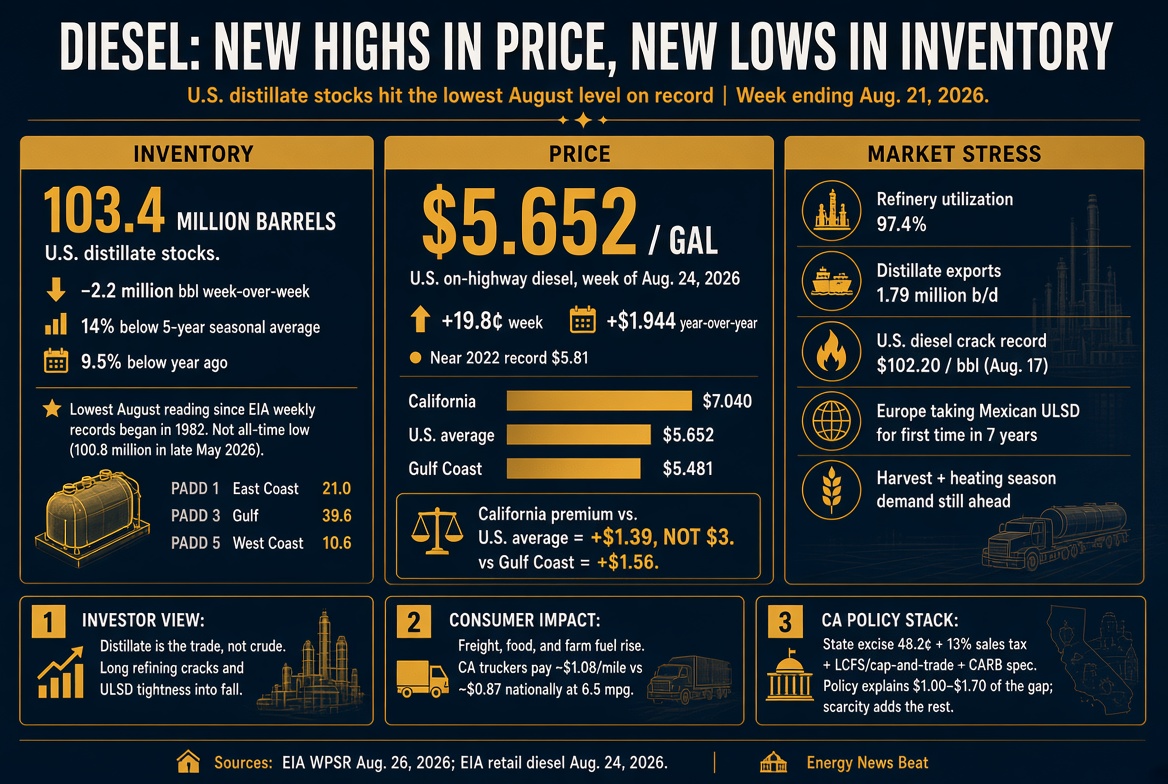
Tank bottoms are starting to show up in the US, and we are about to see some problems.
1. Middle East Conflict & Oil Trade Routes
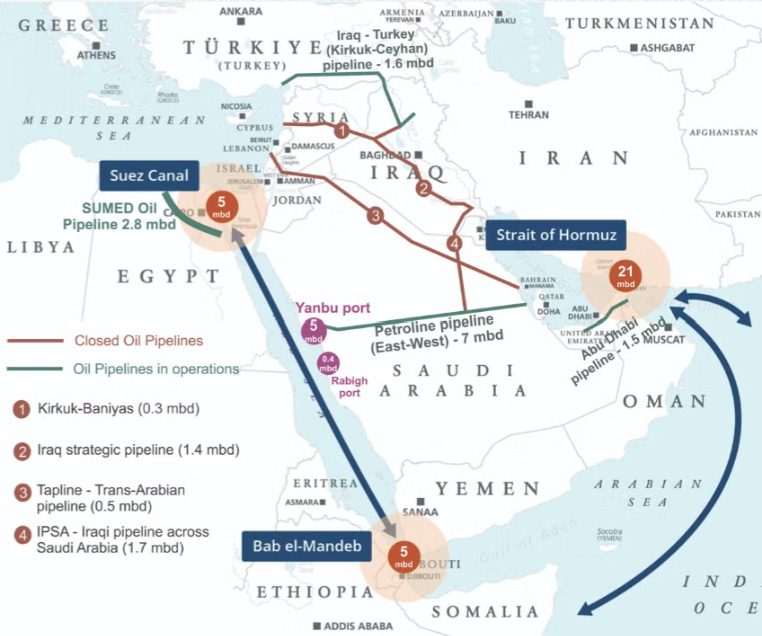
The hosts extensively discuss the closure of the Strait of Hormuz due to the Iran-Israel conflict and its impact on global oil trade. They analyze how workarounds have emerged—including Saudi Arabia’s Red Sea pipeline (7 million barrels/day), UAE’s expanded pipeline capacity (3 million barrels/day), and increased production from Venezuela, Guyana, and Suriname. The key insight: the anticipated oil crisis with $150/barrel prices keeps getting delayed because alternative supply routes are replacing the disrupted Strait capacity.
2. Global Energy Security & Supply Resilience
The panel emphasizes that energy markets are more resilient than expected. They discuss how companies and countries are adapting through innovation and investment, while government policies (particularly in Western nations) are the main obstacle to appropriate market adjustments.
3. UK & European Energy Policy Failures
Heavy criticism of the UK’s “Clean Power 2030” plan, which aims to eliminate gas from the grid by 2030. The hosts argue this is economically destructive—projecting consumer bills will increase by £700/year despite government promises of £300/year savings. They contrast this with the U.S. approach under the Trump administration.
4. U.S. Coal & Energy Infrastructure Revival
Discussion of Trump’s executive order activating the Defense Production Act to keep coal plants open and support new coal infrastructure ($700 million). The hosts argue coal is essential for baseload power and data center development, and that modern coal plants are cleaner than ever with advanced particulate filters.
5. Mining & Critical Minerals
The panel discusses the necessity of domestic copper and coal mining in the U.S. to reduce dependence on China-dominated supply chains. They criticize anti-mining activists for being hypocritical—if truly concerned about the environment, mining should happen in regulated Western countries rather than in Asia or Africa with minimal environmental standards.
6. BP’s Corporate Crisis
Analysis of BP’s management turmoil—including the firing of its chairman—and speculation that BP’s “Beyond Petroleum” green agenda has been a financial disaster. The hosts suggest BP may eventually be absorbed by Shell, which could relocate to the U.S. to escape UK tax policies.
7. Virtual Power Plants & Consumer Privacy
Concern about Google’s partnership with Voltus to create a “virtual power plant” in PJM that controls consumer thermostats, appliances, and EV charging. The hosts argue this represents government/corporate control over personal energy consumption and freedom.
8. Canadian Energy Policy Contradictions
Discussion of Canada’s mixed signals—Mark Carney championing pipelines domestically while cozying up to the U.S. internationally. Environmental assessments continue to delay projects despite promises of expedited approvals.
9. Rising Oil & Gas Rig Activity
Confirmation that rig counts are increasing in the U.S. and Canada due to higher oil prices from Middle East tensions, supporting the hosts’ earlier prediction of a return to “drill baby drill” policies.
Overall Theme: The podcast emphasizes that energy security starts at home, markets ultimately prevail over government ideology, and Western nations’ anti-development policies are creating opportunities for other countries while undermining their own economic interests.
The bottom line is that the global oil, gas, and LNG markets are changing. Also, the world is demanding energy security. As I say all the time: “Energy Security Starts at Home’ and more countries are absolutely budgeting to create pipelines, increasing drilling programs, and not relying on any energy source through a potential choke point in the supply chain.
Some key slides.
Middle East’s key pipelines and Choke points.
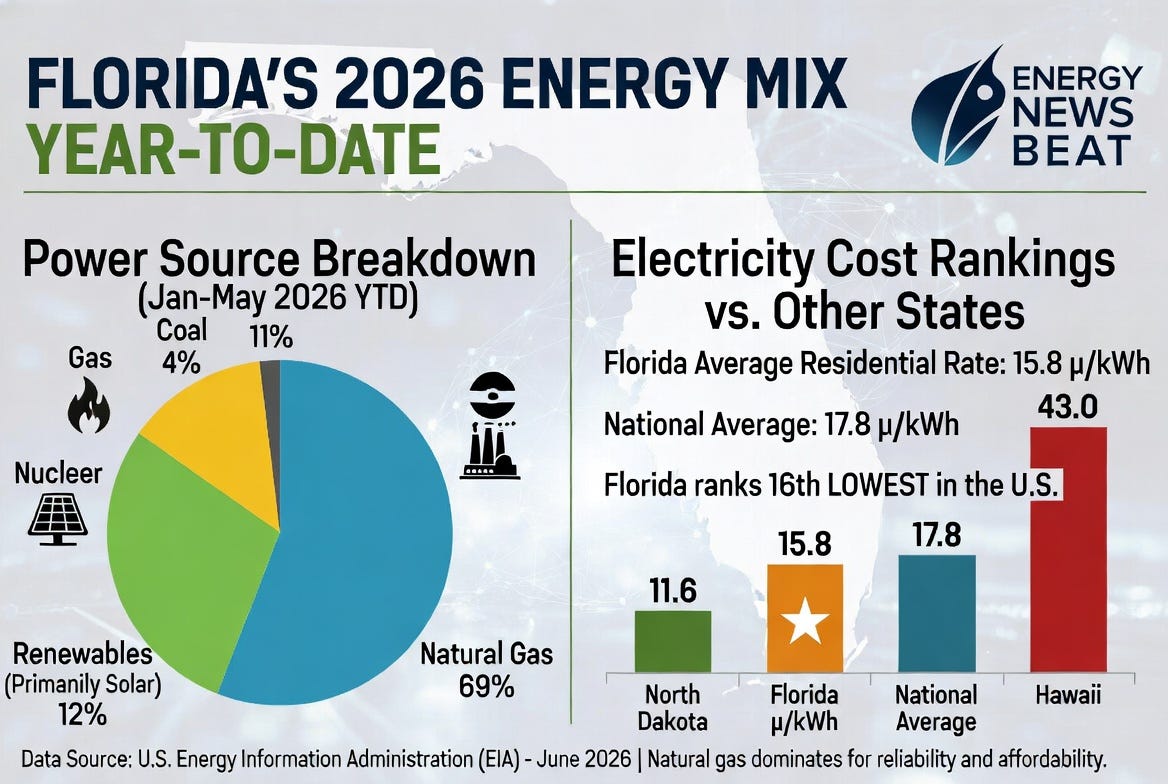
Florida’s Energy Mix with the George Bush spelling pointed out by Tammy.
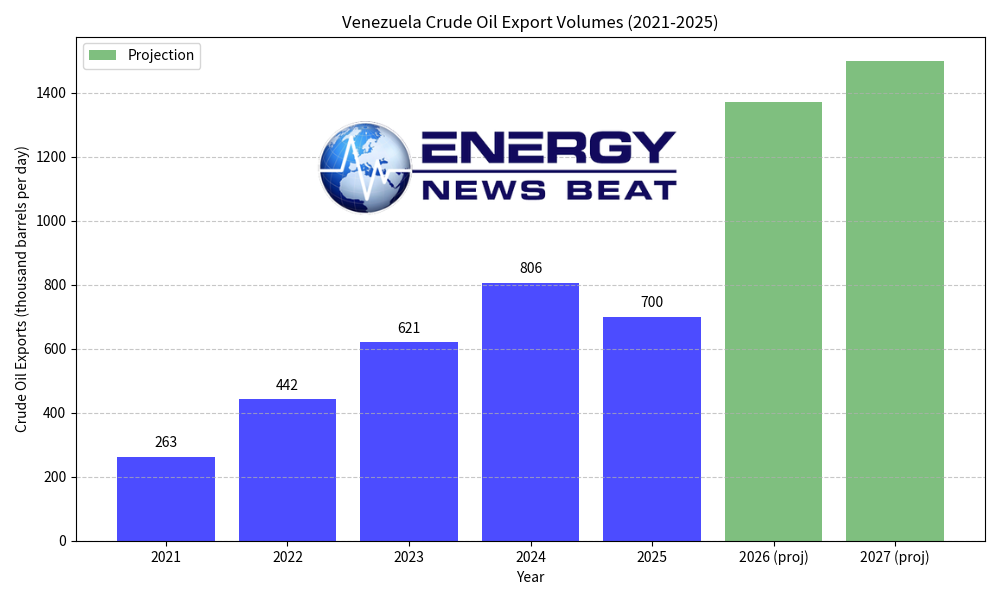
As we discussed, Venezuela really kicked into exports. With Chevron and ExxonMobil now looking at places around the world with fewer geographic handicapped issues.
“ The markets are determinative at the end of the day, and the markets want and need more oil from places outside of the Persian Gulf. “
David Blackmon, Forbes, Daily Caller and Substack Author
Tammy brought up the Trump Executive order on coal.
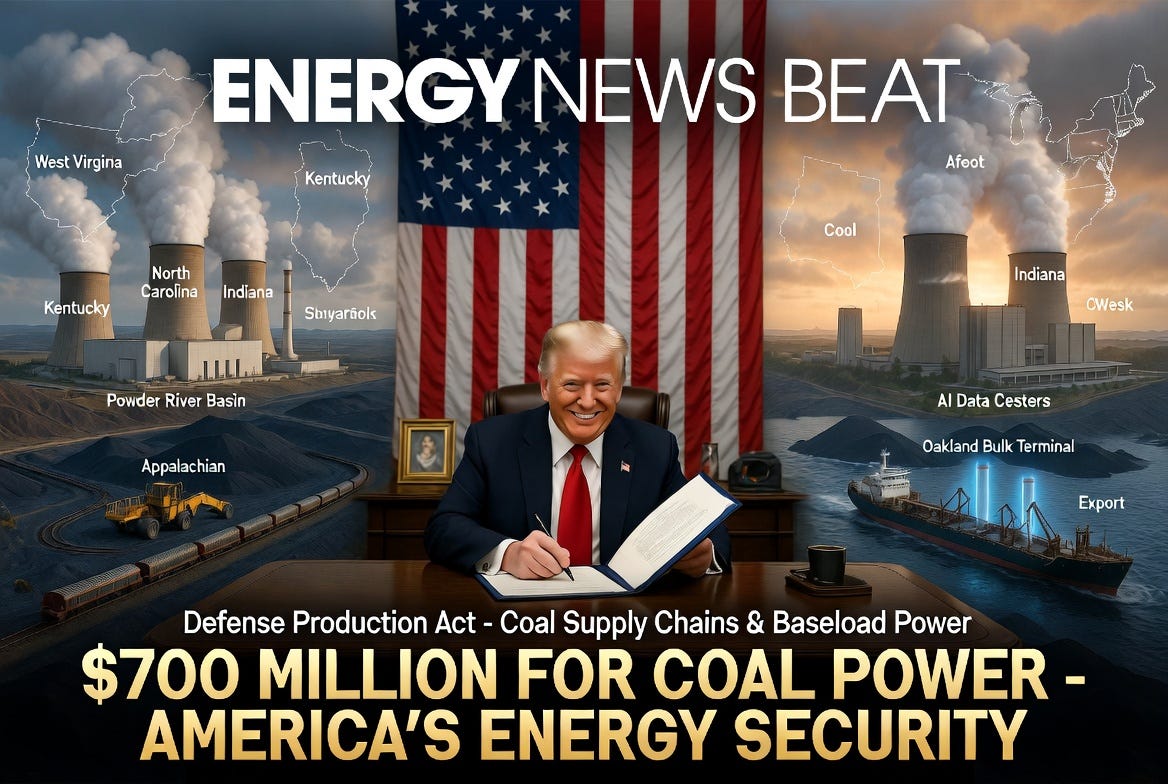
President Trump Signs the Defense Production Act for Coal Plants Nationwide
Funding Breakdown and Project Scope
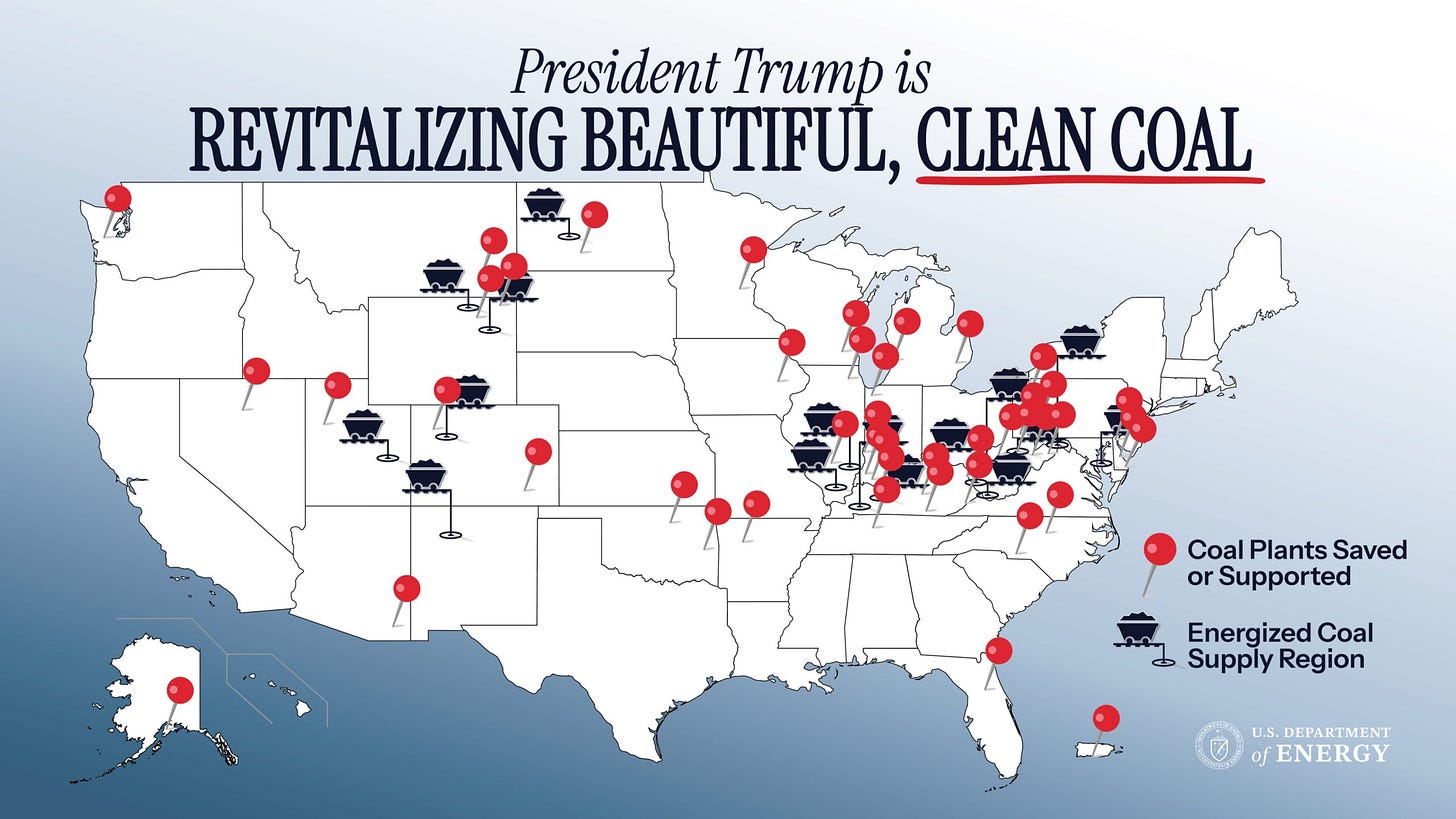
The $700 million package includes:$425 million via the DPA to modernize and upgrade 13 existing coal-fired power plants across 10 states: West Virginia, Kentucky, North Carolina, Indiana, Tennessee, Arkansas, Arizona, Oklahoma, North Dakota, and Wisconsin.
$185 million in Department of Energy grants to support two new coal plants (in Alaska and West Virginia—the first new U.S. coal plants since 2013) and to restart one coal-fired facility in Maryland.
$75 million via the DPA for the long-delayed Oakland Bulk and Oversized Terminal (OBOT / West Gateway) in Oakland, California. This export hub is projected to handle up to 12 million tons of coal annually from western states like Wyoming and Montana, opening new markets in Asia.
While today’s announcement focuses primarily on power plants and export logistics, it aligns with the April DPA’s explicit inclusion of coal mining and supply-chain enhancements. No specific mine production targets (e.g., additional tonnage) were detailed in the funding allocation, but the measures are expected to sustain and expand domestic coal output by keeping mines viable through increased plant demand and export opportunities.
Companies Investors Should Watch
The funding is expected to benefit several key players in the coal and utility sectors.
Confirmed or likely beneficiaries of the plant upgrades and related projects include:
Duke Energy Corp. (NYSE: DUK) – Major operator with coal assets in states like North Carolina and Indiana.
Hallador Energy Co. – Focused on coal production and power generation, with operations aligned to Midwest and Appalachian projects.
Oklahoma Gas & Electric Co. (part of OGE Energy Corp., NYSE: OGE) – Direct beneficiary in Oklahoma.
American Electric Power Company Inc. (NYSE: AEP) and at least one subsidiary – Strong presence in West Virginia, Kentucky, and other listed states.
Broader coal producers such as Peabody Energy (NYSE: BTU), Arch Resources (NYSE: ARCH), and Warrior Met Coal (NYSE: HCC) stand to gain indirectly through sustained demand for Powder River Basin and Appalachian coal, especially with the new export terminal enabling shipments to high-demand international markets. Rail operators involved in coal transport (e.g., Norfolk Southern, CSX) could also see positive ripple effects.
Analysts note that these investments could improve plant economics, extend asset life, and position these companies for long-term revenue stability in a policy environment prioritizing energy dominance.
Buckle up, we are in for some wild times.
California is about to get entertaining. If you live in California, you had better leave before it turns into a zombie apocalypse as the Democrats steal every election from here on out.

For David Blackmon

For Tammy Nemeth
For Irina Slav

The post The Energy Realities Round Table – The global markets are changing permanently appeared first on Energy News Beat.